Why Most Teams Overpay for SaaS in 2026 (And Don’t Even Realize It)
Most teams overpay for SaaS in 2026 due to unused licenses, auto-renewals, and poor visibility. Learn how to stop SaaS overspending.
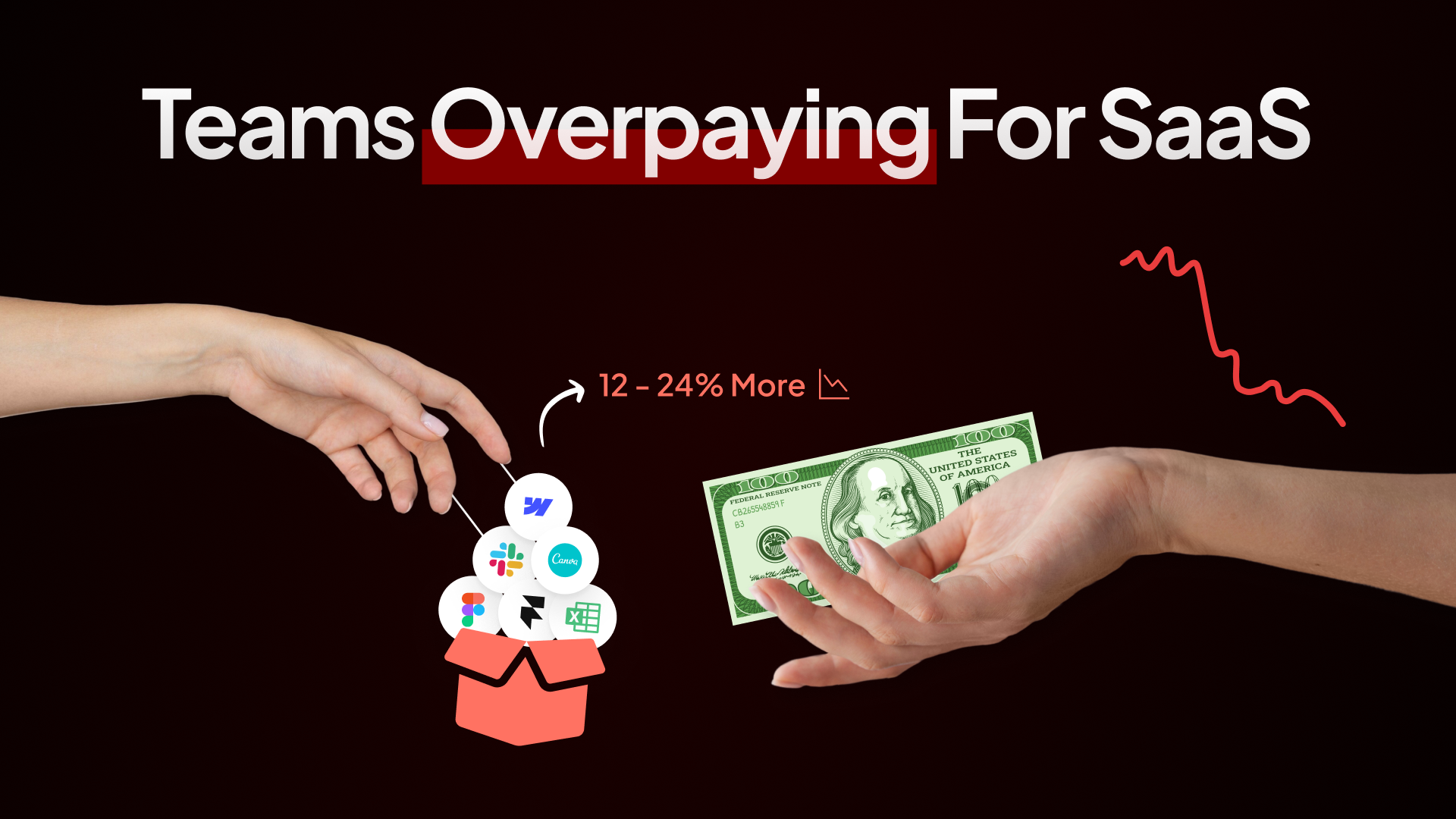
Most teams overpay for SaaS in 2026 due to unused licenses, auto-renewals, and poor visibility. Learn how to stop SaaS overspending.
In 2026, SaaS is no longer optional infrastructure. It is the infrastructure.
Typical mid-size companies now:
A 60-person company reviewed its SaaS stack for the first time in two years.
Nothing looked “broken.”
Teams were productive.
No outages. No complaints.
But the review found:
Annual waste: $92,000
Detected by accident, not alarms
➡️ This is how SaaS overspending survives — quietly.

A visual online whiteboard and collaboration workspace for teams — ideal for brainstorming, planning, diagramming, workshops, remote design sessions, and agile workflows.
Overpaying isn’t about bad buying decisions.
It’s about unchallenged continuation.
It usually looks like:
Two companies, same SaaS tool, same team size.
Why?
Neither company knew the difference existed.

A powerful and intuitive project management platform used for task management, workflows, team collaboration, automation, and cross-functional project tracking.
This is the exact cycle most teams fall into:
A team needs a tool now. No time to compare.
Seats increase. Plans upgrade. Add-ons appear.
Employees leave. Usage drops. Billing continues.
Price increases. Same structure. No review.
A startup signed a 3-year contract early for a “discount.”
By year 2:
They paid $148,000 for licenses they didn’t need —
because renegotiation happened after renewal.
Most teams stop at “unused licenses.” That’s surface-level.
The deeper leaks include:
A product team paid for an enterprise analytics tool.
Usage review showed:
Savings after switch: 58% annually
Time lost by waiting: 14 months
Cloud accounting software for small business — invoices, bank reconciliation, financial reports.
If your SaaS spend grows faster than headcount, it’s not random.
It’s driven by:
SaaS costs increase due to recurring billing, automatic renewals, tier upgrades, vendor price hikes, and lack of regular usage reviews — even if company size stays the same.

A business payments platform that streamlines payables and receivables — letting companies pay vendors and contractors (via ACH, check, credit card, wire), manage bills, send invoices, and sync with accounting software.

I'm a startup advisor who helps founders choose SaaS tools based on real workflow needs, cost efficiency, and long-term scalability.